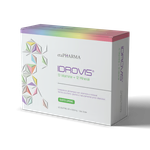
One sachet in the shaker
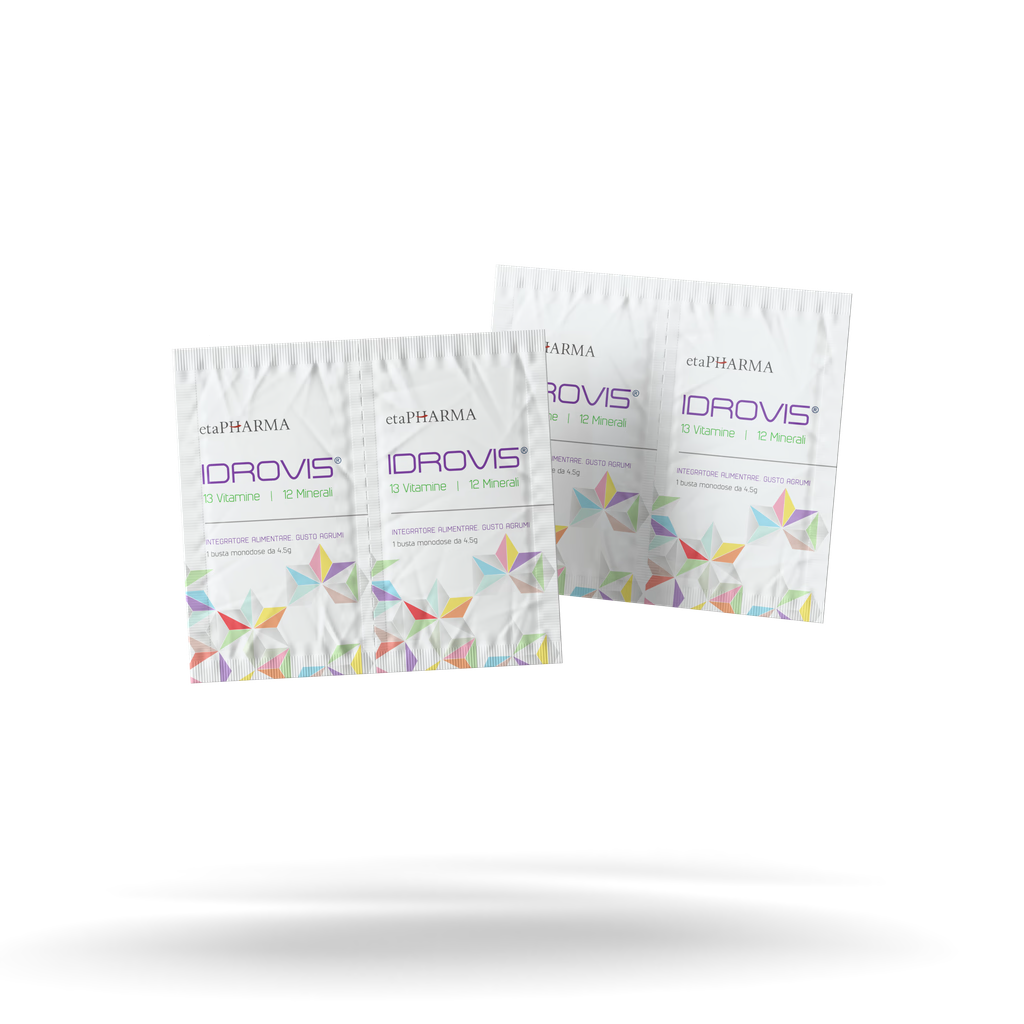
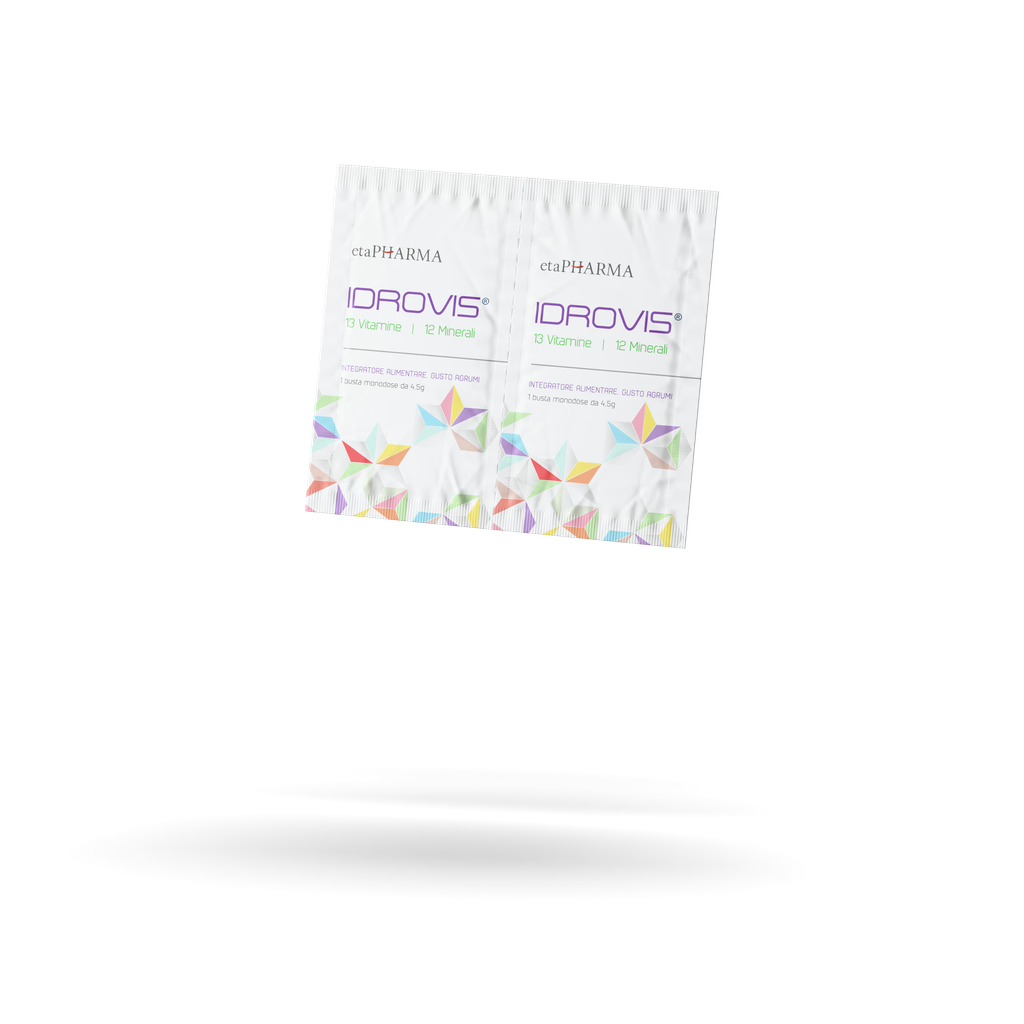
Pour the contents of one sachet into about 150 ml of water.
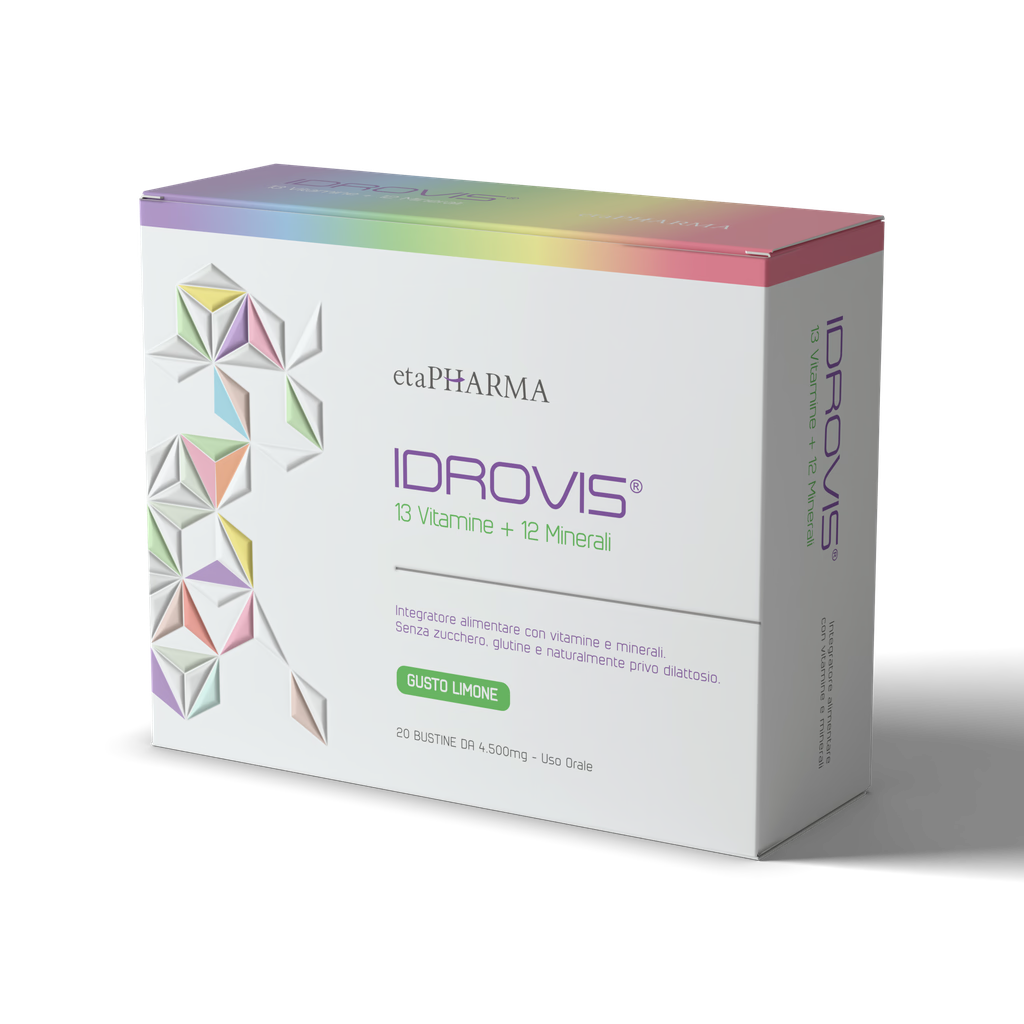
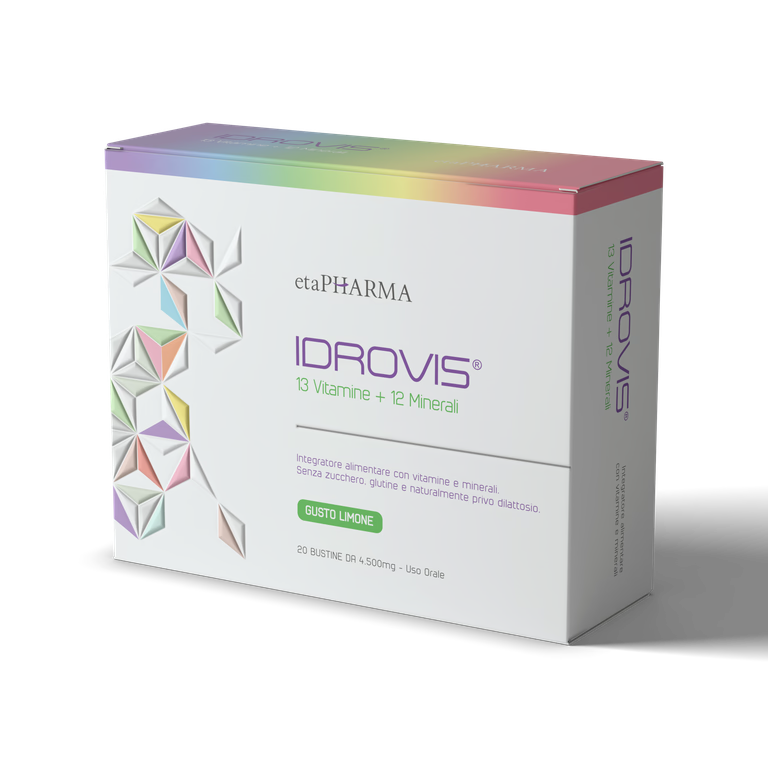
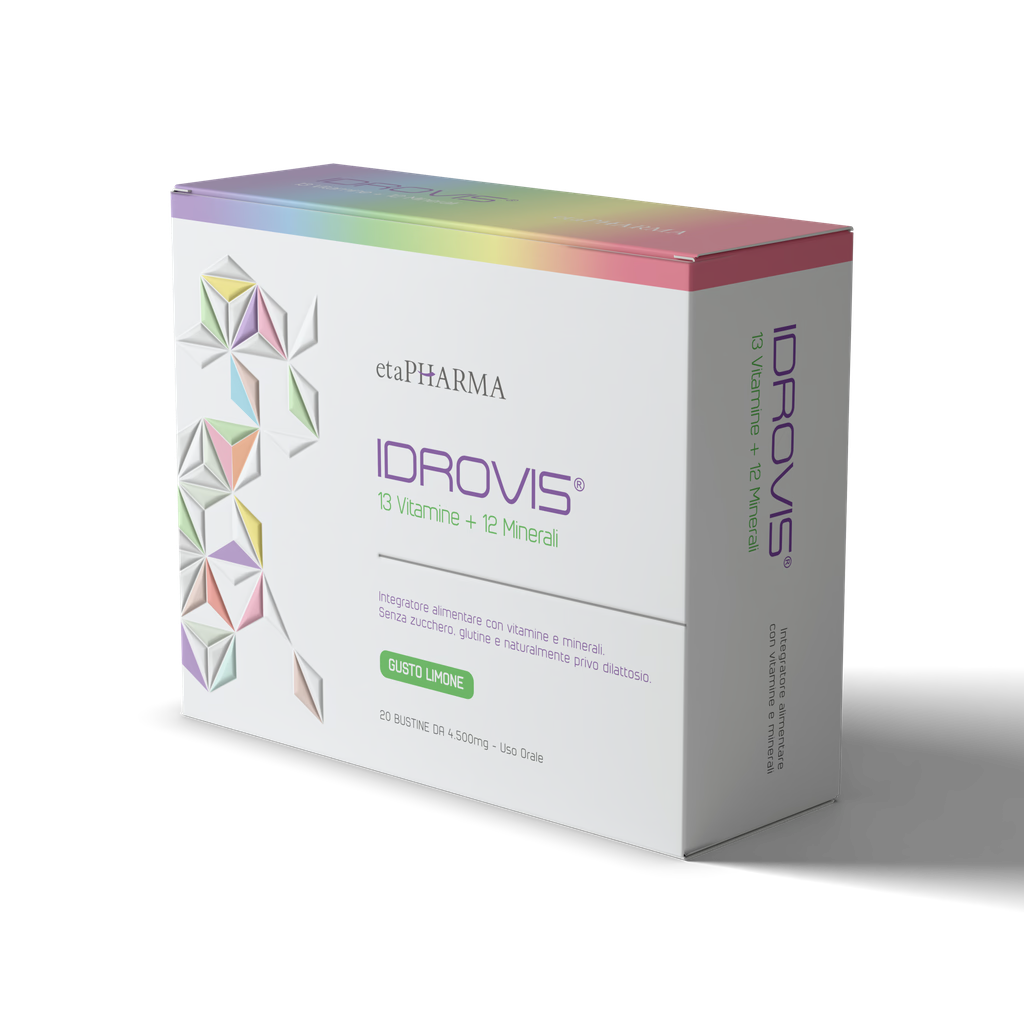
13 vitamins and 12 minerals in one sachet
161 EU-authorised benefits:
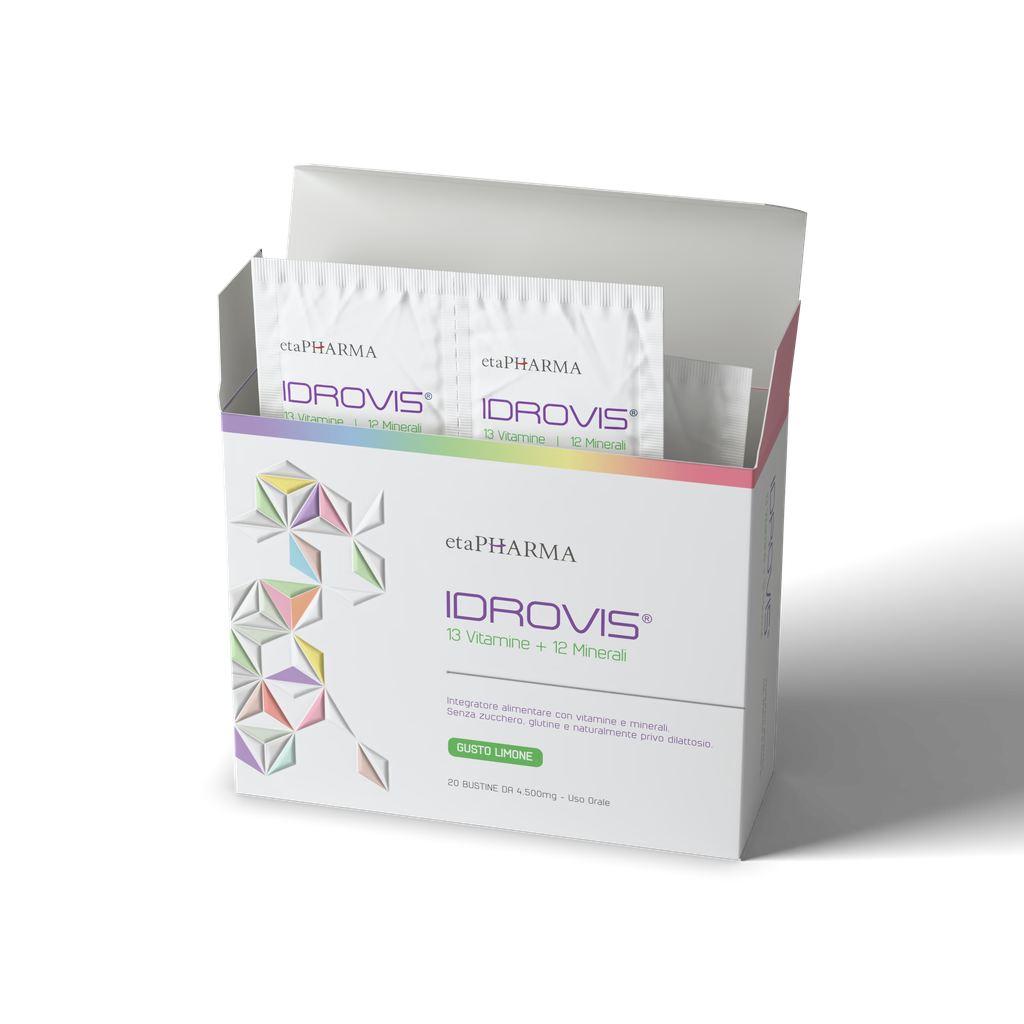
25 nutrients, chosen for their form
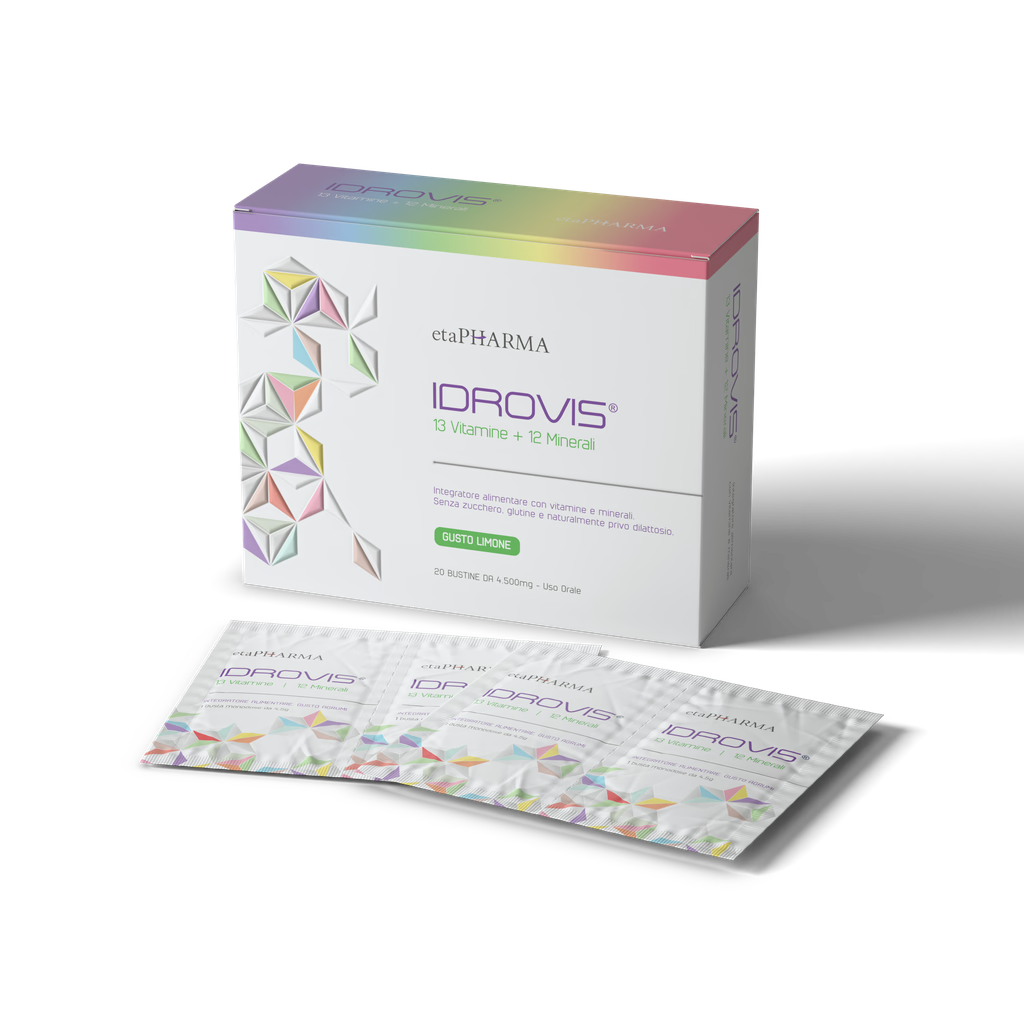
The dose in 2 sachets
Percentage of nutrient reference values (NRV)
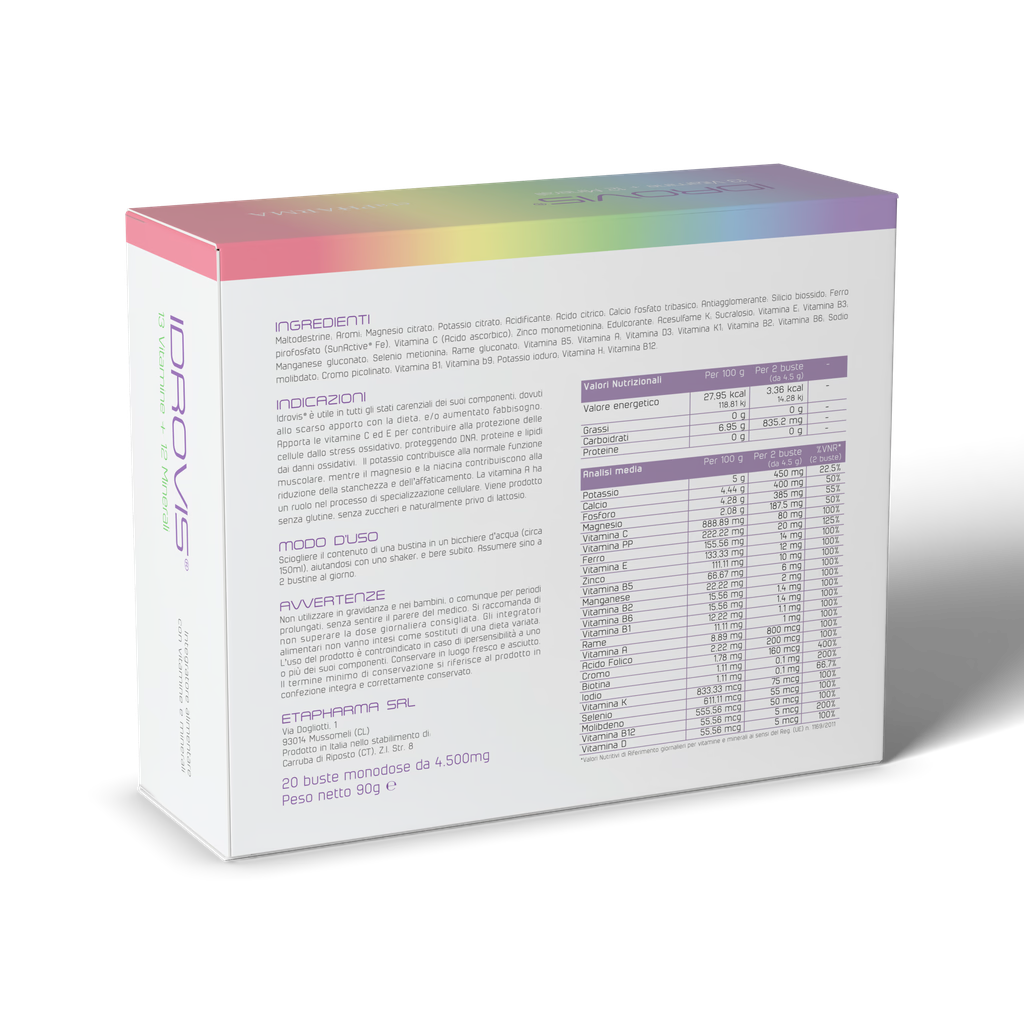
How to use
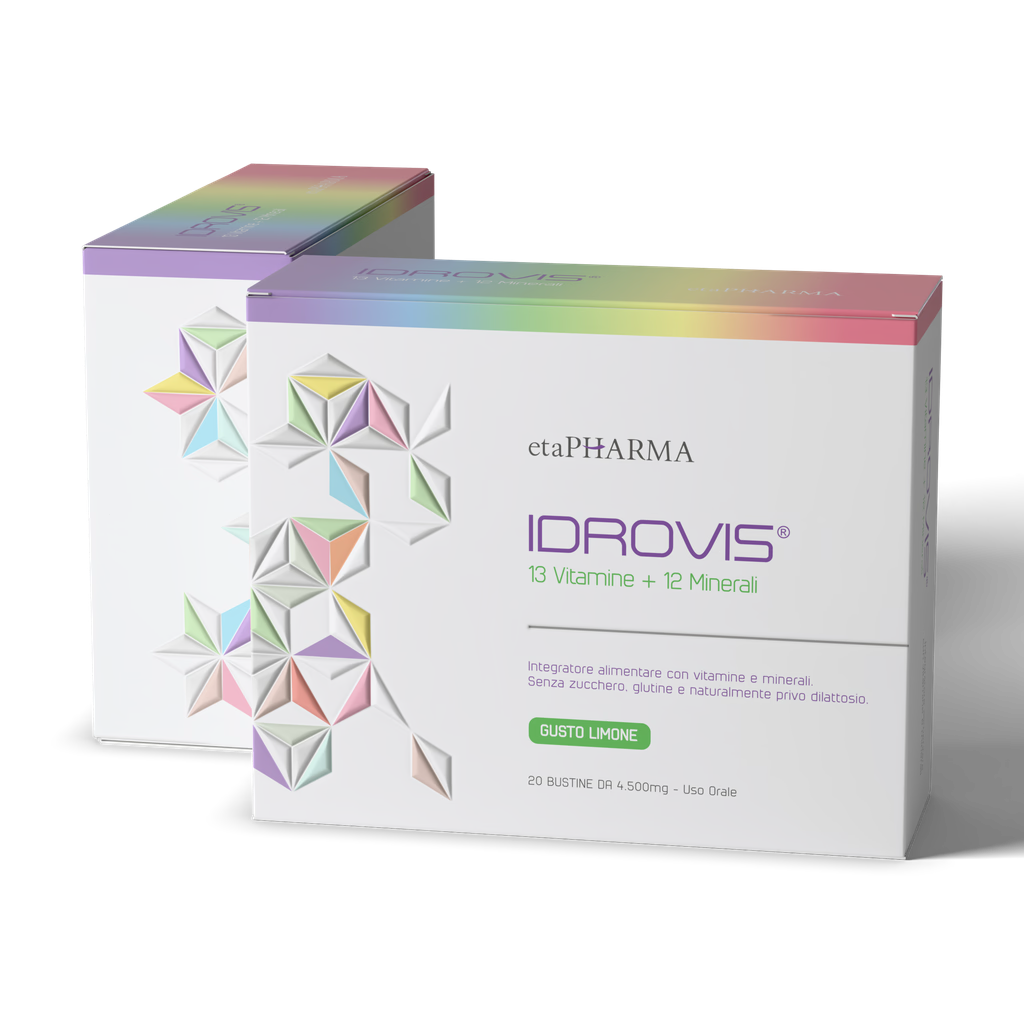
Who it’s for
Order with peace of mind
The best price
€2.48 per day
with 6 Packs
Save €25.00Supplement for the reduction of tiredness: 2 sachets a day, dissolved in water.
No promises we cannot prove. How we work
Etapharma rating
This is the overall rating of Etapharma, not of the individual product: it covers all products and the service. The 4.8 is the average of the two ratings.
Read the reviews13 vitamins and 12 minerals in soluble sachets, with magnesium and potassium citrates. Magnesium contributes to electrolyte balance.
Reviews
4.8out of 5 · 972 reviews
130,000+ customers across Italy
Etapharma rating (all products and the service): average of the Google and Trustpilot ratings.
We quote word for word short passages from 4- and 5-star reviews published on Trustpilot, with a shortened name and a link to the full text. Cuts are marked with “…”. We choose passages about customer service, delivery, packaging and use of the products. We do not quote sentences about weight, health or effects on the body: for a food supplement, only the health claims authorised by law may be used. The average rating and the number include all reviews, including negative ones, and refer to Etapharma (all products and the service), not to the individual product. All reviews, including negative ones, are on Trustpilot.
We do not check ourselves that reviewers have made a purchase: we rely on Trustpilot’s labels. Below the name is Trustpilot’s label: “Invited” if the review was written after an invitation from us, “Verified” if Trustpilot has confirmed the purchase (only these have the blue seal). Reviews without a label are unprompted: we mark them “Unprompted, not verified”, because neither we nor Trustpilot have checked the purchase. From Google we only show the rating and the number of reviews.
“I repeat the protocol every change of season …”, full review on Trustpilot (opens in a new tab)
“Excellent products, I’ve used them for years”, full review on Trustpilot (opens in a new tab)
Every day
Pour the contents of one sachet into about 150 ml of water.
Close the shaker, shake for a few seconds and drink straight away.
Do not take more than 2 sachets a day, unless otherwise advised by your doctor or nutritionist.
Why it exists
A varied diet should be enough, but European studies say that often this is not the case.
In Europe vitamin D is the most lacking: about 4 people in 10 are below 50 nmol/L. Idrovis provides 13 vitamins, including D3 at 100% of the reference value.
Studies on intakesIn different amounts for everyone. 2 sachets dissolved in water provide 450 mg of potassium and 187.5 mg of magnesium, both as citrates.
Studies on sweatNot just how much mineral, but in what form: magnesium citrate, SunActive® micronised iron and selenium bound to methionine.
Studies on formsMagnesium contributes to electrolyte balance; potassium to normal muscle function (Reg. EU 432/2012).
What you get
In numbers
How much of each nutrient is in one day’s dose, compared with the reference intake for an adult.
25vitamins and minerals, in 2 sachets
Percentage of nutrient reference values (NRV) in one day’s dose. The bar stops at 100%: beyond that, the number tells you.
The research
How much is really lacking in European diets, what happens with sweat and why the form of each mineral matters.
The studies concern the population, vitamins, minerals and their forms, at doses and in formulas different from ours; some were funded by companies in the sector. Supplements are not a substitute for a varied, balanced diet.
18 European surveys, 55,844 people
With a measurement method that was the same for everyone, about 4 in 10 Europeans had vitamin D below 50 nmol/L, and in winter almost one in six was below 30 nmol/L.
Source: Cashman et al., Am J Clin Nutr 2016 (opens in a new tab)
Dietary surveys from 8 European countries
Among vitamins, only D often has low intakes at every age; iron, iodine, magnesium, potassium, calcium, selenium and zinc are more often low in certain age and sex groups.
Analysis of European dietary surveys
More than one adult in five gets less than they need from their diet of vitamin D, folate, calcium, selenium and iodine. Idrovis contains them all.
Meta-analysis of 8 placebo-controlled studies
In healthy adults, vitamins and minerals taken for at least 4 weeks reduced tiredness compared with placebo.
Source: Long e Benton, Psychosom Med 2013 (opens in a new tab)
Randomised study, 216 women, 9 weeks
After 9 weeks, people taking a multivitamin with minerals felt less tired than the placebo group during 40 minutes of computer work.
American College of Sports Medicine position paper
Sweat loses water and electrolytes, in very different amounts from person to person: after activity both need replacing.
Analysis of 506 athletes
From 0.26 to 5.73 litres an hour: everyone has their own rate, and the differences are large.
Source: Baker et al., J Sports Sci 2016 (opens in a new tab)
Controlled study, 46 adults, 60 days
Magnesium citrate, the form in Idrovis, was absorbed better than magnesium oxide. Magnesium contributes to a reduction of tiredness and fatigue and to electrolyte balance.
Isotope study, 20 adult women
Micronised iron was absorbed similarly to ferrous sulphate, the reference form. Iron contributes to the reduction of tiredness and fatigue.
Human study, 16 weeks
In the selenium in Idrovis the mineral is bound to methionine, an amino acid: this is why it was absorbed better than selenite, an inorganic form. Selenium contributes to the protection of cells from oxidative stress.
Directions for use
The comparison
A comparison of how you take it, not of the results.
| Idrovis | One by one | |
|---|---|---|
| Packs to buy | One | Up to 25, one per ingredient |
| Doses | Already worked out and printed on the label | For you to work out and add up |
| Every day | 2 sachets a day | One dose for each product |
| Health claims | Only authorised ones, all listed | To be checked product by product |
| Where it is made | In Italy | Depends on the brand |
Why choose it
Authorised claims
The only health statements permitted for the nutrients in Idrovis, word for word from EU Regulation 432/2012.
Magnesium, here as citrate, contributes to electrolyte balance.
Magnesium, iron, vitamin C, riboflavin, niacin, pantothenic acid, vitamin B6, folate and vitamin B12 contribute to the reduction of tiredness and fatigue.
Calcium, magnesium and potassium contribute to normal muscle function; vitamin D contributes to its maintenance.
Vitamin C, vitamin E, zinc, selenium, copper, manganese and riboflavin contribute to the protection of cells from oxidative stress.
Vitamin C, vitamin D, zinc, selenium, iron and vitamin B12 contribute to the normal function of the immune system.
Values per daily dose (up to 2 sachets); % NRV.
Before you choose
Do not add it during Ketovis: the kit already contains Idrovis at the recommended daily dose. Use is not recommended in case of hypersensitivity to one or more of the ingredients. Do not take more than 2 sachets a day.
To supplement the diet when the intake of vitamins and minerals is reduced or requirements increase, for example with intense physical activity or heavy sweating, always as part of a varied and balanced diet.
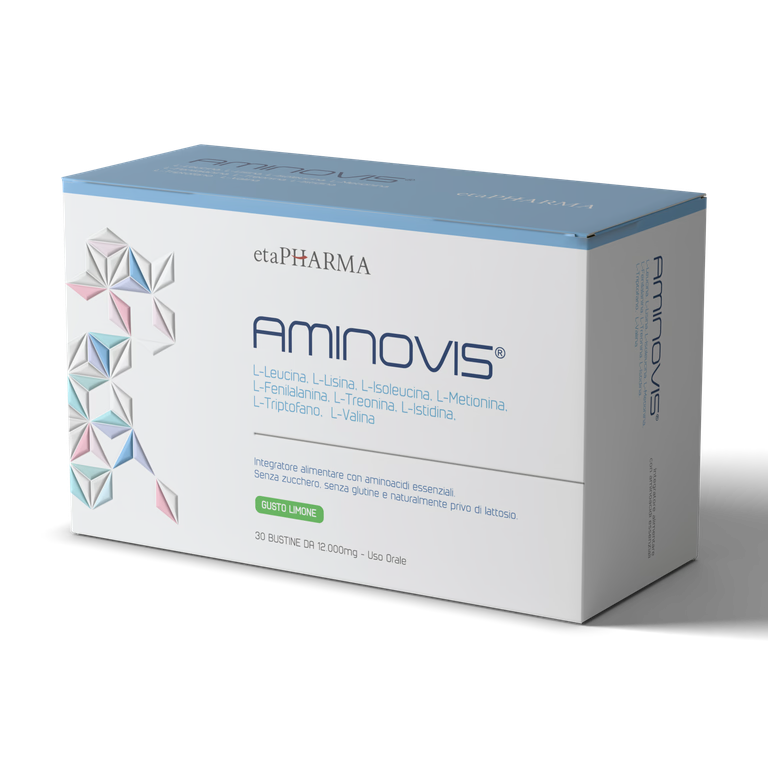
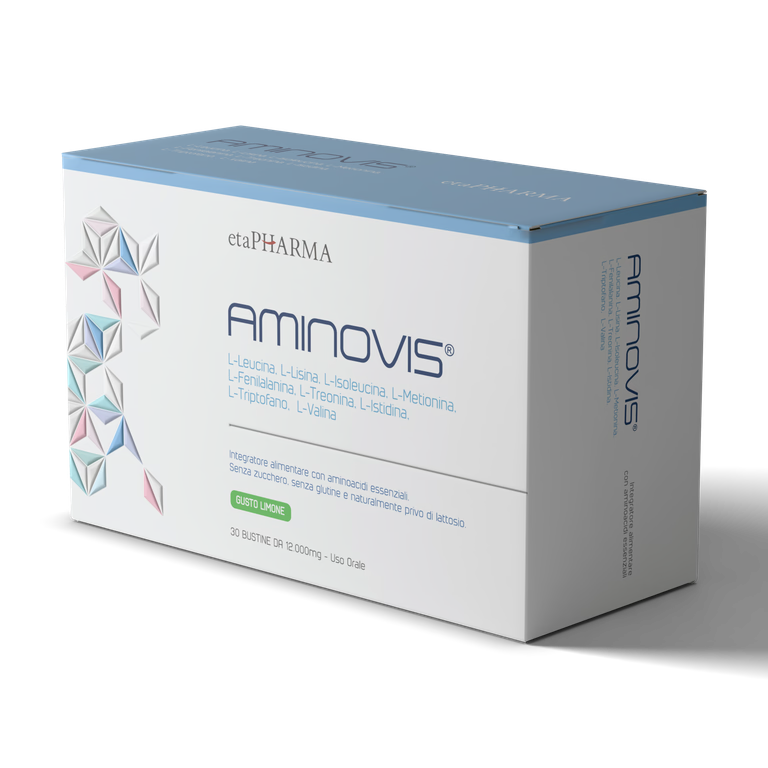
Yes: Idrovis and Aminovis are the two food supplements in the Ketovis kit and can be used together, following the advice of a healthcare professional.
No, do not add it: Ketovis Box already contains Idrovis at the recommended daily dose (2 sachets of Idrovis a day). Taking more during the 10 days would mean exceeding the recommended daily dose.
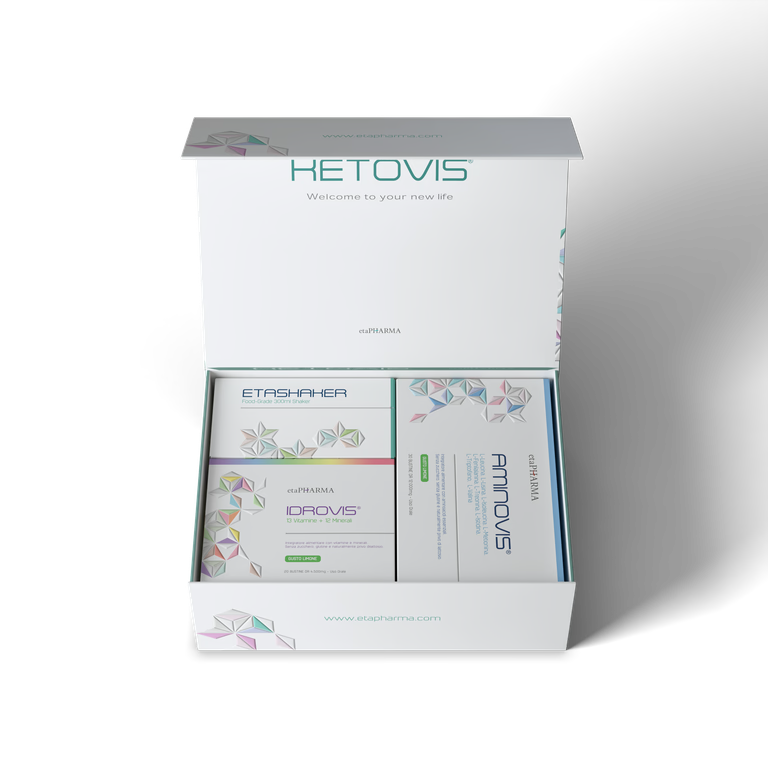
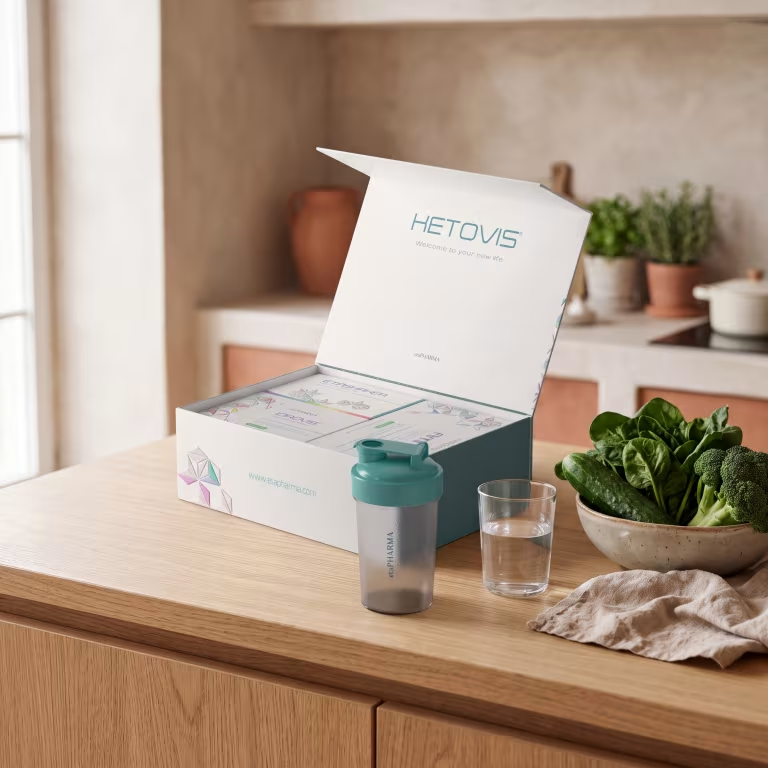
Ketovis is the 10-day kit with Idrovis, Aminovis, the shaker and the food diary. Idrovis on its own contains the 20 sachets of vitamins and minerals.
Yes, without adding up the doses: Idrovis already covers about 100% of the reference value for many vitamins and minerals, and 400% for chromium. If you already take a multivitamin, vitamin D, iron or zinc, ask your doctor or pharmacist.
Up to 2 sachets a day, each dissolved in about 150 ml of water. You can take one at breakfast and one at lunch: iron and vitamins A, D, E and K are absorbed better with food.
No: Idrovis contains no sodium or sugars. It provides magnesium and potassium with vitamins and other minerals; magnesium contributes to electrolyte balance. During long sport sessions with heavy sweating, follow the guidance for the activity you do.
Anyone who is pregnant or breastfeeding, takes anticoagulants (Idrovis contains vitamin K1), has kidney problems (it contains potassium), or takes medication regularly.
Ingredients and doses
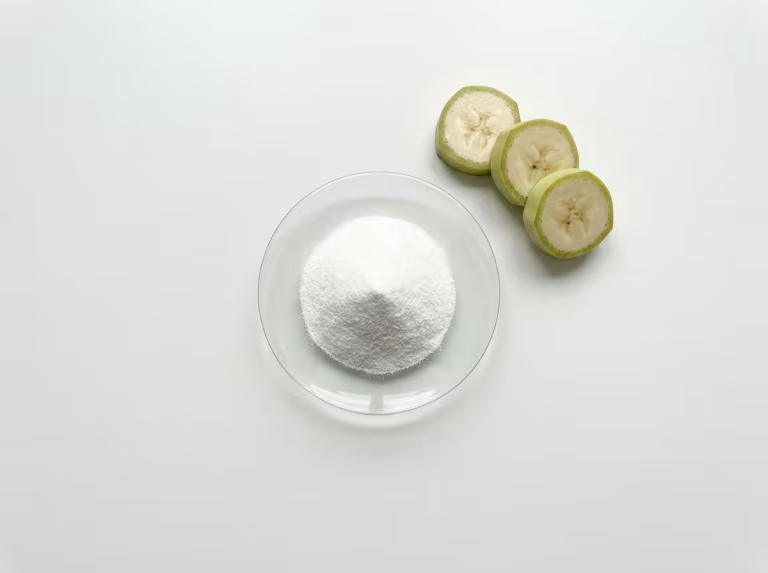
A mineral, here as potassium citrate, the potassium salt of citric acid. In the diet it comes mainly from fruit and vegetables: bananas, potatoes, pulses, spinach.
Mineral · 450 mg per day · 22.5% NRV · Potassium citrate
EU-authorised claims (Reg. 432/2012):
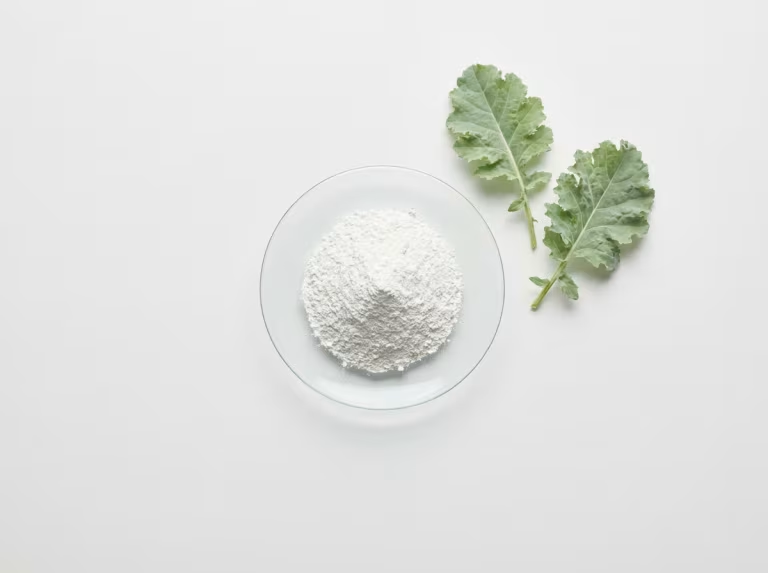
A mineral, here as tricalcium phosphate, which also provides the phosphorus in the formula. In the diet it comes from milk and dairy products, green leafy vegetables, almonds and calcium-rich mineral waters.
Mineral · 400 mg per day · 50% NRV · Tricalcium phosphate
EU-authorised claims (Reg. 432/2012):
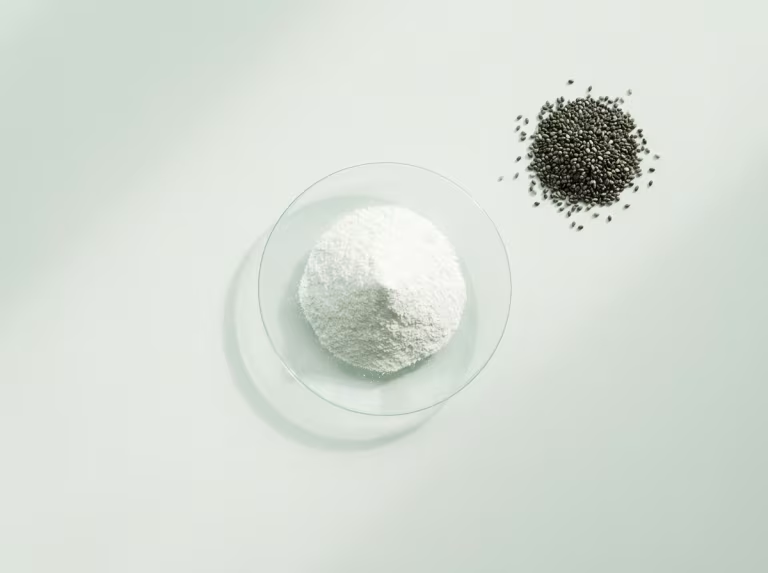
A mineral, provided by the tricalcium phosphate in the formula. It is found in many protein-rich foods: dairy products, meat, fish, pulses and wholegrain cereals.
Mineral · 385 mg per day · 55% NRV · Tricalcium phosphate
EU-authorised claims (Reg. 432/2012):
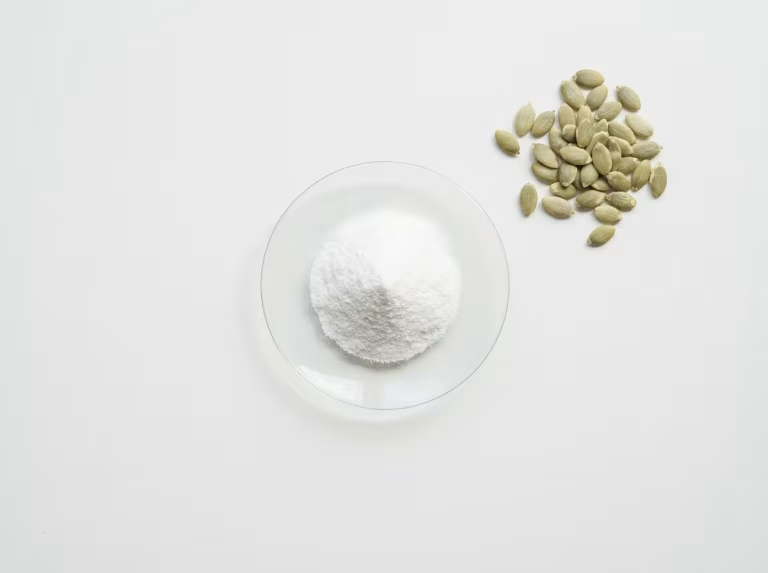
A mineral, here as magnesium citrate, the magnesium salt of citric acid. Food sources: nuts, seeds, pulses, wholegrain cereals and green leafy vegetables.
Mineral · 187.5 mg per day · 50% NRV · Magnesium citrate
EU-authorised claims (Reg. 432/2012):
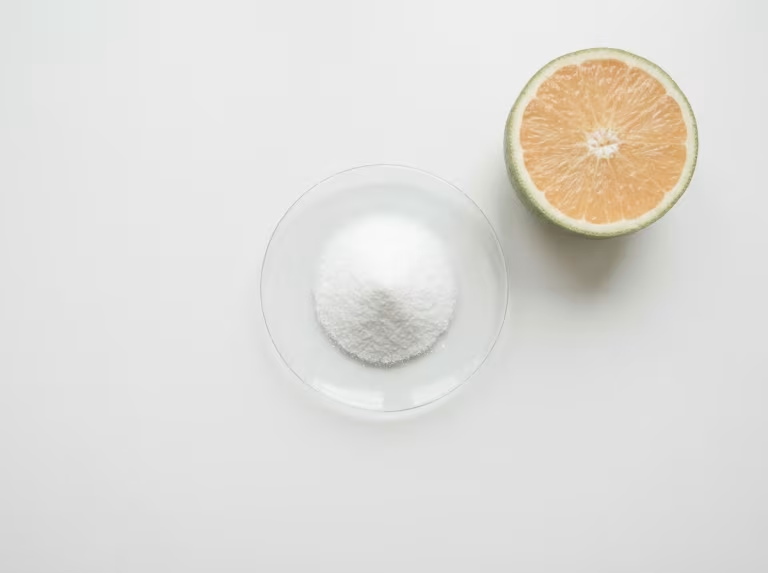
A water-soluble vitamin, here as ascorbic acid. In the diet it comes from fresh fruit and vegetables: citrus fruits, kiwi, peppers, broccoli.
Vitamin · 80 mg per day · 100% NRV · Ascorbic acid
EU-authorised claims (Reg. 432/2012):
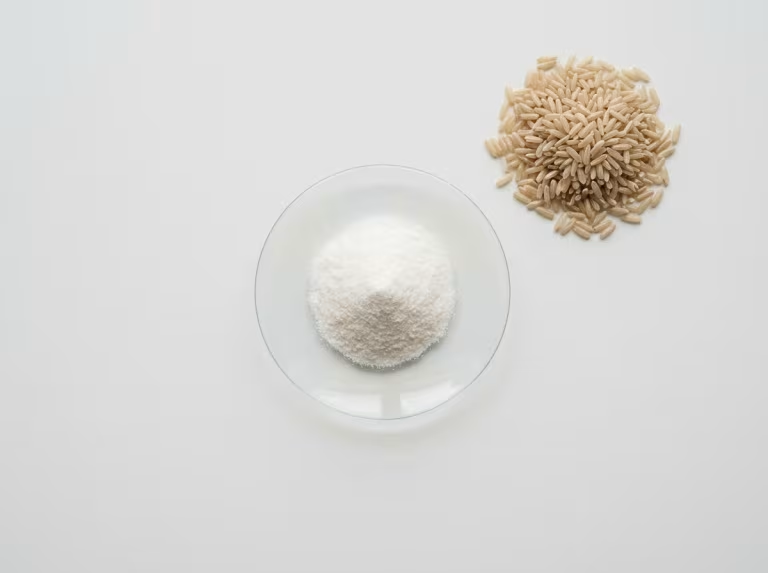
A water-soluble B-group vitamin, also called vitamin B3 or vitamin PP. It is found in meat, fish, pulses, wholegrain cereals and peanuts.
Vitamin · 20 mg per day · 125% NRV · Vitamin B3
EU-authorised claims (Reg. 432/2012):
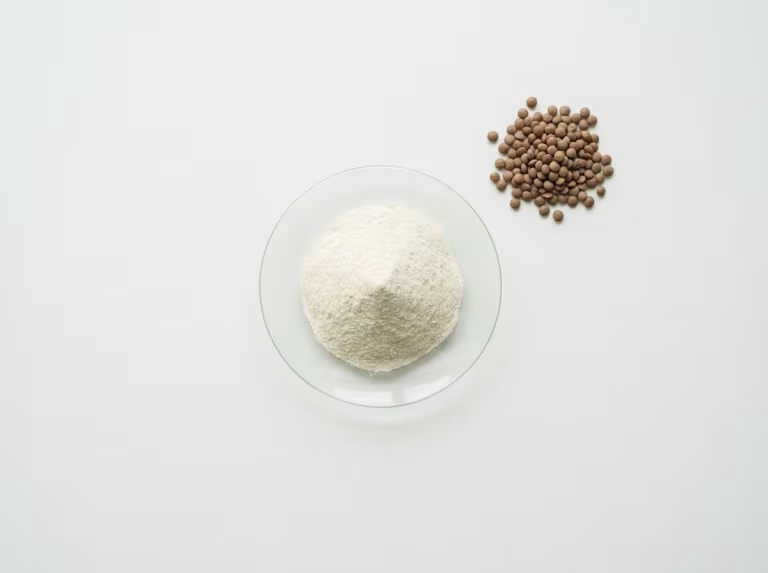
A mineral, here as ferric pyrophosphate (SunActive® Fe). In the diet it comes from pulses, green leafy vegetables, wholegrain cereals, meat and fish.
Mineral · 14 mg per day · 100% NRV · Ferric pyrophosphate (SunActive® Fe)
EU-authorised claims (Reg. 432/2012):
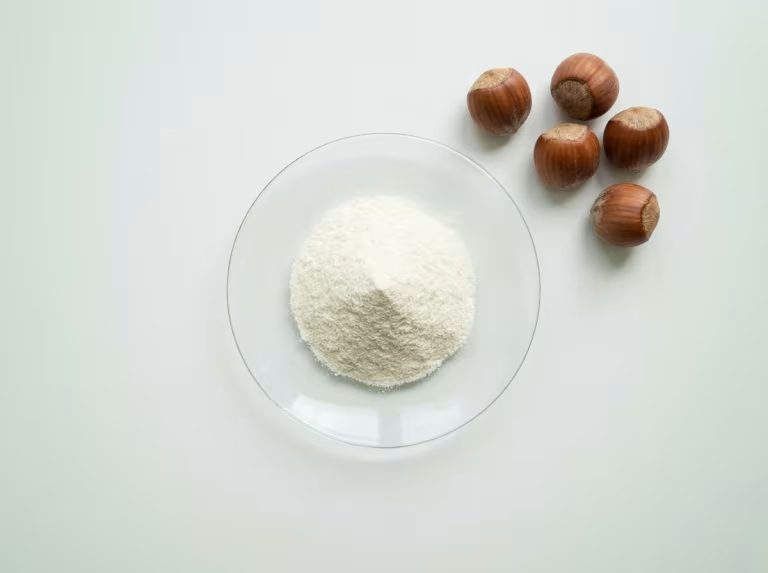
A fat-soluble vitamin: the name refers to a group of compounds, the tocopherols and tocotrienols. It is found in vegetable oils, nuts and seeds.
Vitamin · 12 mg per day · 100% NRV
EU-authorised claims (Reg. 432/2012):
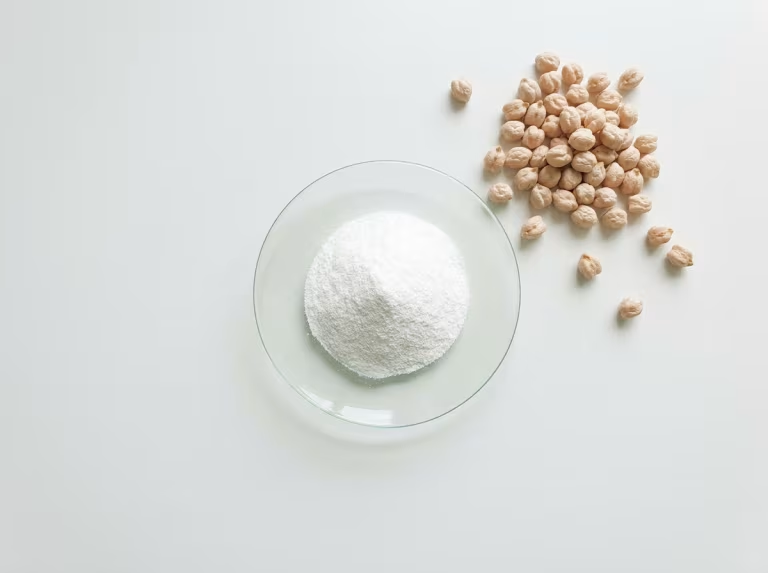
A trace element, here as zinc monomethionine, that is zinc bound to the amino acid methionine. Food sources: pulses, seeds, wholegrain cereals, nuts, meat and dairy products.
Mineral · 10 mg per day · 100% NRV · Zinc monomethionine
EU-authorised claims (Reg. 432/2012):
A water-soluble B-group vitamin, also called vitamin B5. The name comes from the Greek pantothen, “from everywhere”: it is present in a great many foods.
Vitamin · 6 mg per day · 100% NRV · Vitamin B5
EU-authorised claims (Reg. 432/2012):
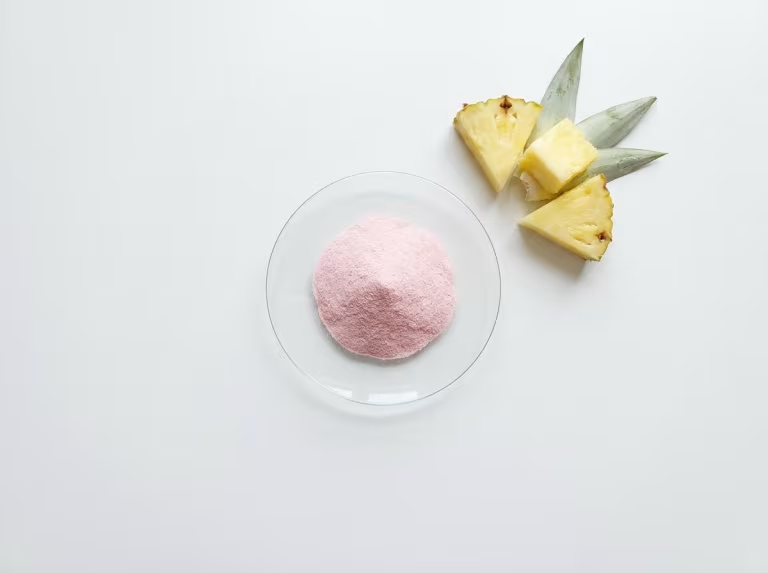
A trace element, here as manganese gluconate. It is found in wholegrain cereals, nuts, pulses, tea and green leafy vegetables.
Mineral · 2 mg per day · 100% NRV · Manganese gluconate
EU-authorised claims (Reg. 432/2012):
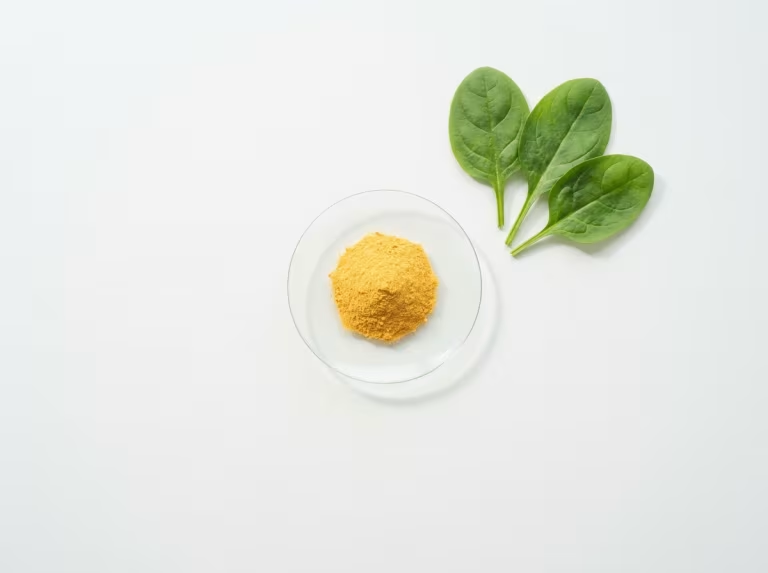
A water-soluble B-group vitamin, also called vitamin B2: it is a yellow-orange substance. It is found in milk and dairy products, eggs, almonds, mushrooms and green leafy vegetables.
Vitamin · 1.4 mg per day · 100% NRV · Vitamin B2
EU-authorised claims (Reg. 432/2012):
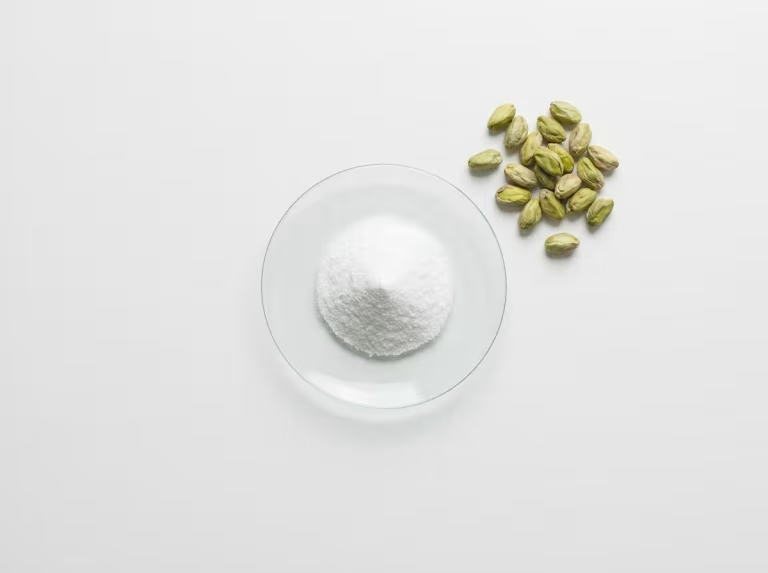
A water-soluble B-group vitamin: the name covers pyridoxine, pyridoxal and pyridoxamine. Food sources: pulses, wholegrain cereals, bananas, potatoes, fish and meat.
Vitamin · 1.4 mg per day · 100% NRV
EU-authorised claims (Reg. 432/2012):
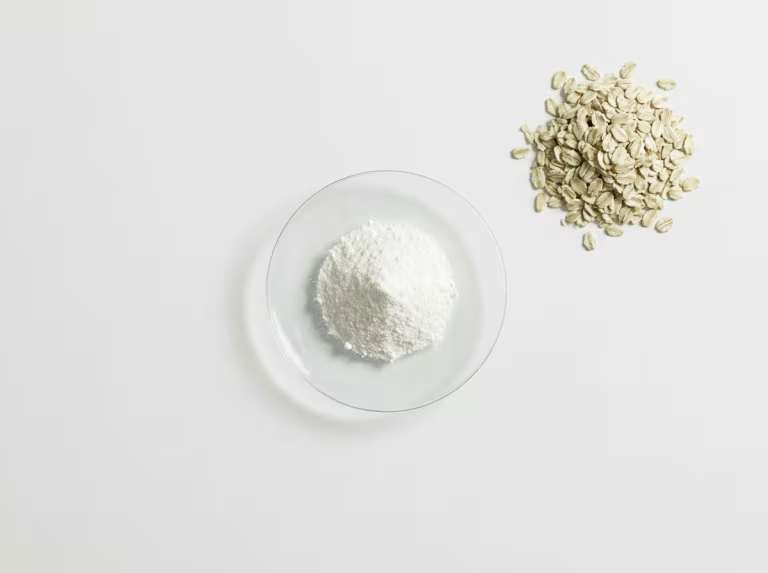
A water-soluble B-group vitamin, also called vitamin B1. It is found in wholegrain cereals, pulses, seeds, nuts and pork.
Vitamin · 1.1 mg per day · 100% NRV · Vitamin B1
EU-authorised claims (Reg. 432/2012):
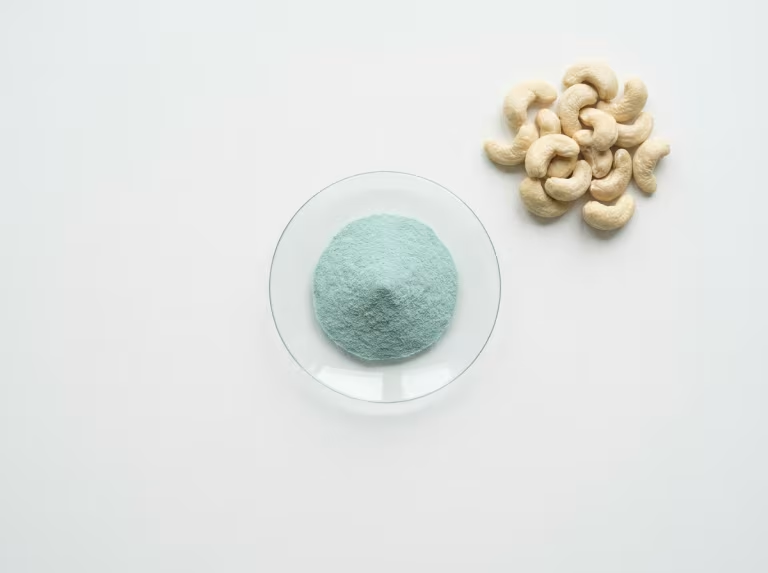
A trace element, here as copper gluconate. Food sources: nuts, seeds, pulses, cocoa, wholegrain cereals and shellfish.
Mineral · 1 mg per day · 100% NRV · Copper gluconate
EU-authorised claims (Reg. 432/2012):
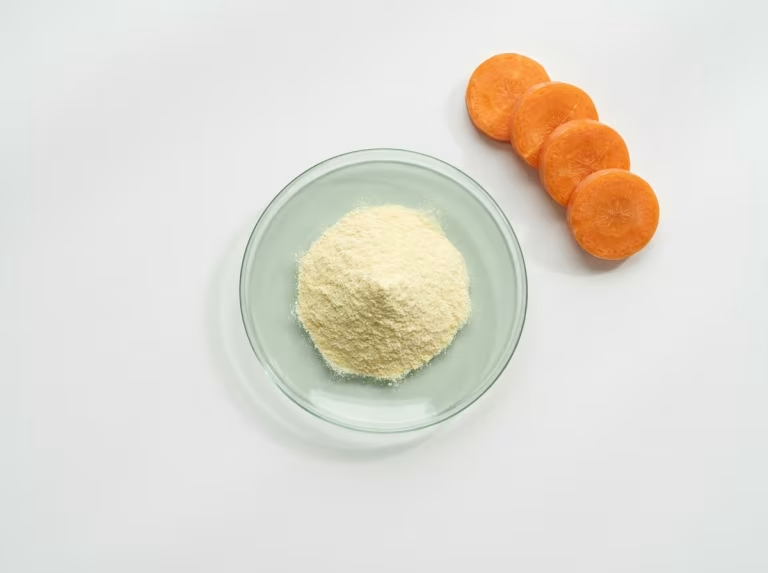
A fat-soluble vitamin: the name covers retinol and related compounds. Retinol is found in foods of animal origin; carrots, pumpkin and other orange vegetables contain beta-carotene, which the body converts into vitamin A.
Vitamin · 800 µg per day · 100% NRV
EU-authorised claims (Reg. 432/2012):
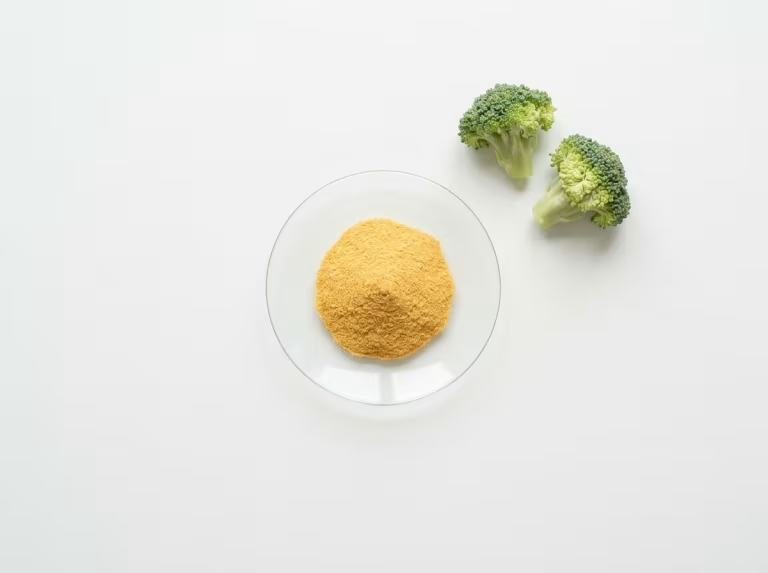
The synthetic form of vitamin B9, folate. Natural folate is found in green leafy vegetables (the name comes from the Latin folium, leaf), pulses and citrus fruits.
Vitamin · 200 µg per day · 100% NRV · Vitamin B9
EU-authorised claims (Reg. 432/2012):
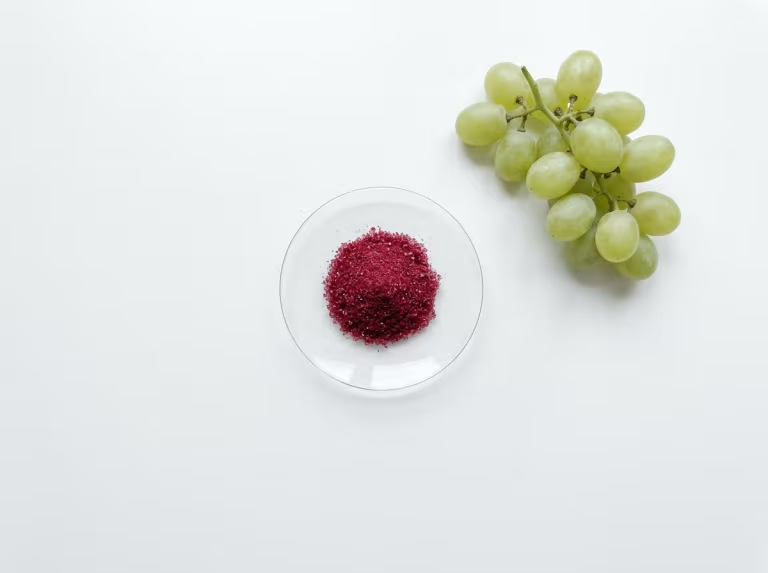
A trace element, here as chromium picolinate, that is trivalent chromium bound to picolinic acid. Food sources: wholegrain cereals, broccoli, pulses and nuts.
Mineral · 160 µg per day · 400% NRV · Chromium picolinate
EU-authorised claims (Reg. 432/2012):
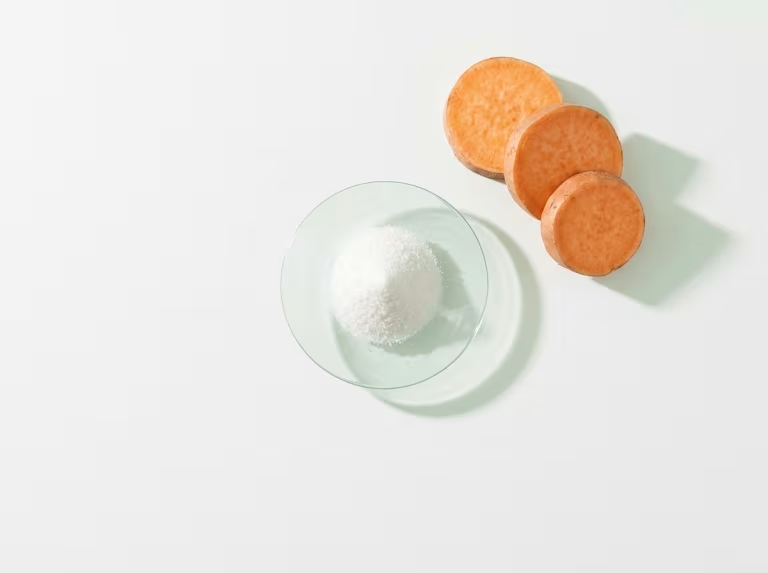
A water-soluble B-group vitamin, also called vitamin H, B7 or B8. It is found in eggs, nuts, seeds, pulses and yeast.
Vitamin · 100 µg per day · 200% NRV · Vitamin H
EU-authorised claims (Reg. 432/2012):
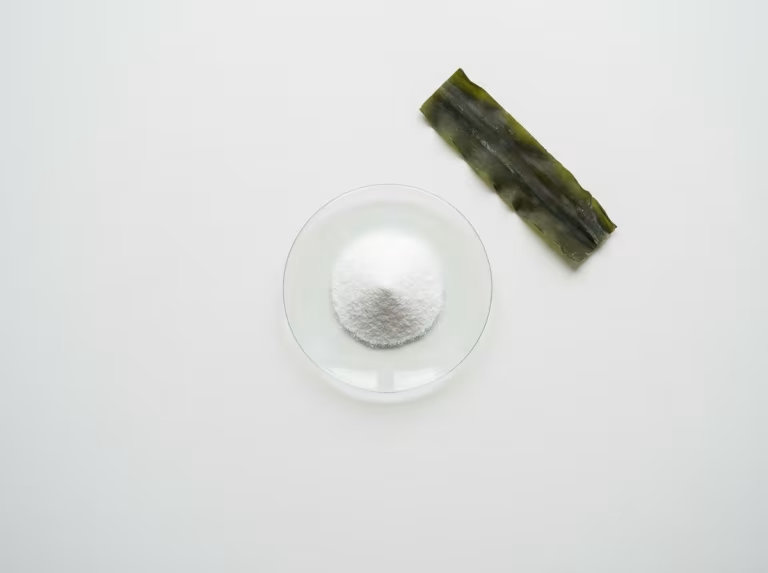
A trace element, here as potassium iodide. In the diet it comes from iodised salt, sea fish, dairy products and eggs.
Mineral · 100 µg per day · 66.7% NRV · Potassium iodide
EU-authorised claims (Reg. 432/2012):
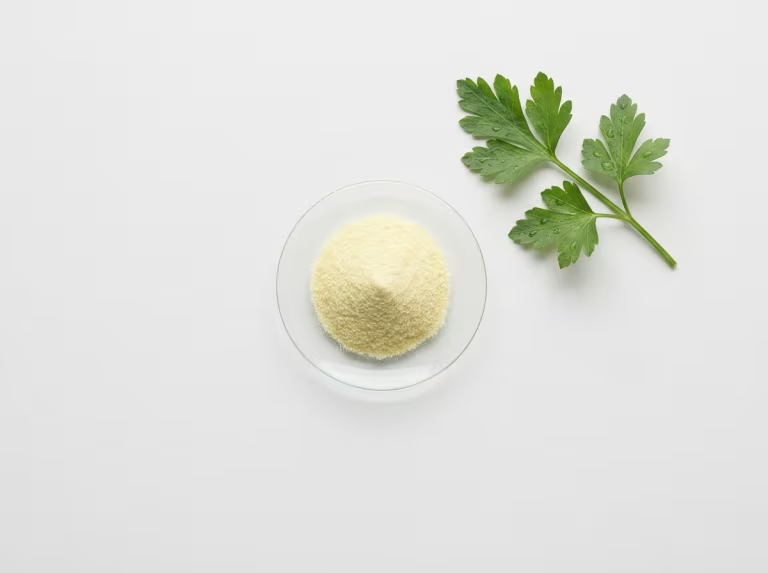
A fat-soluble vitamin, here in the K1 form (phylloquinone), the one found in plants. It is plentiful in green leafy vegetables: spinach, cabbage, broccoli, lettuce.
Vitamin · 75 µg per day · 100% NRV · Vitamin K1
EU-authorised claims (Reg. 432/2012):
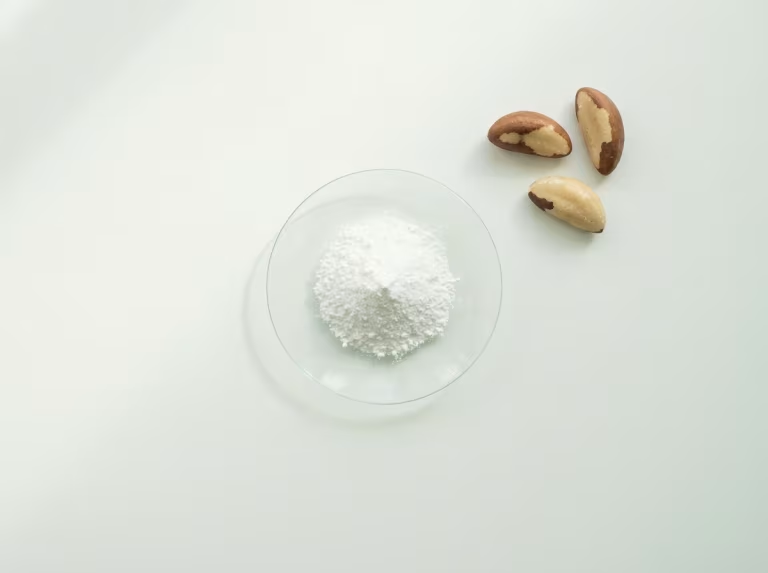
A trace element, here as selenomethionine, the form in which selenium is also found in cereals and pulses. Food sources: Brazil nuts, fish, eggs and cereals.
Mineral · 55 µg per day · 100% NRV · Selenomethionine
EU-authorised claims (Reg. 432/2012):
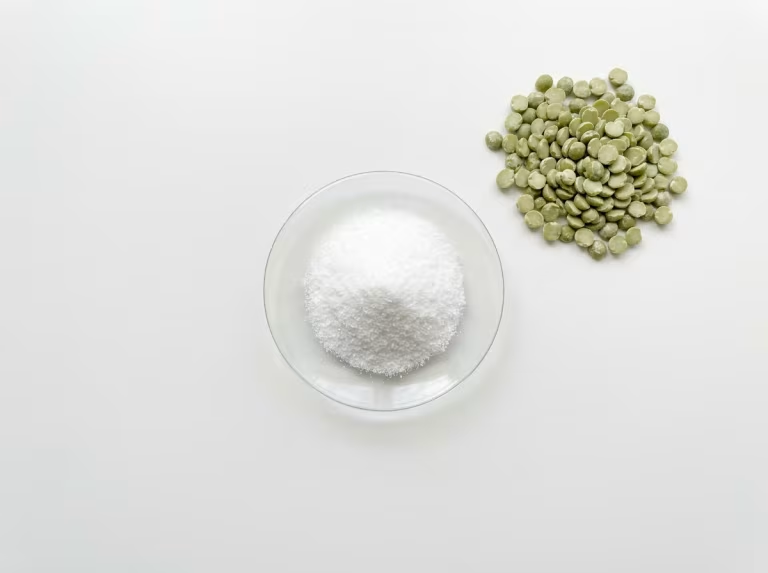
A trace element, here as sodium molybdate. It is found in pulses, wholegrain cereals, nuts and offal.
Mineral · 50 µg per day · 100% NRV · Sodium molybdate
EU-authorised claims (Reg. 432/2012):
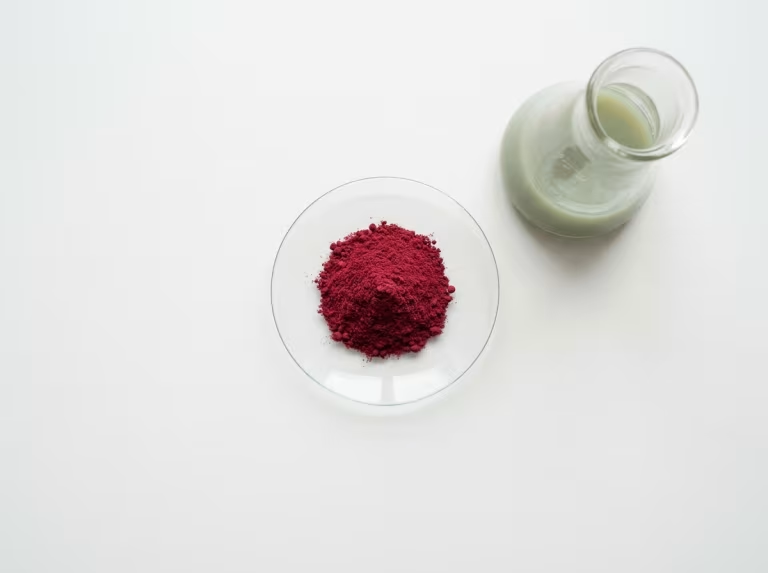
A water-soluble B-group vitamin, also called cobalamin because it contains cobalt. In food it is found almost only in foods of animal origin; in plant-based diets it comes from fortified foods or food supplements.
Vitamin · 5 µg per day · 200% NRV
EU-authorised claims (Reg. 432/2012):
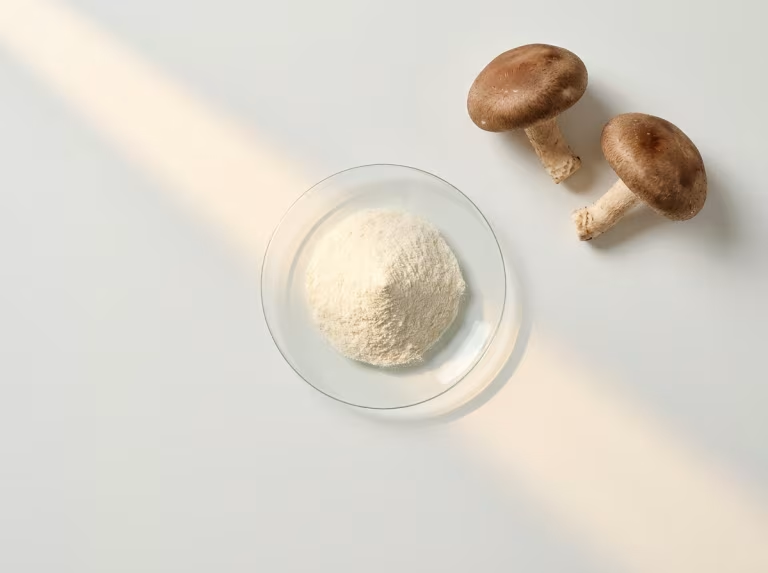
A fat-soluble vitamin, here in the D3 form (cholecalciferol). As well as coming from some foods, such as oily fish and eggs, it is formed in skin exposed to the sun.
Vitamin · 5 µg per day · 100% NRV · Vitamin D3
EU-authorised claims (Reg. 432/2012):
Per daily dose
Per 2 sachets (9 g)
| Component | Per dose Per pack | % NRV* |
|---|---|---|
| Energy | 2.5 kcal (10.5 kJ) 25 kcal (105 kJ) | |
| Minerals 12 | ||
| Potassium | 450 mg 4,500 mg | 22.5% |
| Calcium | 400 mg 4,000 mg | 50% |
| Phosphorus | 385 mg 3,850 mg | 55% |
| Magnesium | 187.5 mg 1,875 mg | 50% |
| Iron | 14 mg 140 mg | 100% |
| Zinc | 10 mg 100 mg | 100% |
| Manganese | 2 mg 20 mg | 100% |
| Copper | 1 mg 10 mg | 100% |
| Chromium | 160 µg 1,600 µg | 400% |
| Iodine | 100 µg 1,000 µg | 66.7% |
| Selenium | 55 µg 550 µg | 100% |
| Molybdenum | 50 µg 500 µg | 100% |
| Vitamins 13 | ||
| Vitamin C | 80 mg 800 mg | 100% |
| Niacin | 20 mg 200 mg | 125% |
| Vitamin E | 12 mg 120 mg | 100% |
| Pantothenic acid | 6 mg 60 mg | 100% |
| Riboflavin | 1.4 mg 14 mg | 100% |
| Vitamin B6 | 1.4 mg 14 mg | 100% |
| Thiamin | 1.1 mg 11 mg | 100% |
| Vitamin A | 800 µg 8,000 µg | 100% |
| Folic acid | 200 µg 2,000 µg | 100% |
| Biotin | 100 µg 1,000 µg | 200% |
| Vitamin K | 75 µg 750 µg | 100% |
| Vitamin B12 | 5 µg 50 µg | 200% |
| Vitamin D | 5 µg 50 µg | 100% |
* Daily reference intake values for an adult (EU Reg. 1169/2011). The bar stops at 100%, the “+” sign indicates a value above 100%. “—”: reference value not established.
Values per pack: daily dose multiplied by 10 days of use. The % NRV refers to the daily dose only.
Ingredients and warnings
Maltodextrin; Flavourings; Magnesium citrate; Potassium citrate; Acid: Citric acid; Tricalcium phosphate; Anti-caking agent: Silicon dioxide; Ferric pyrophosphate (SunActive® Fe); Vitamin C (Ascorbic acid); Zinc monomethionine; Sweeteners: Acesulfame K, Sucralose; Vitamin E; Vitamin B3; Manganese gluconate; Selenomethionine; Copper gluconate; Vitamin B5; Vitamin A; Vitamin D3; Vitamin K1; Vitamin B2; Vitamin B6; Sodium molybdate; Chromium picolinate; Vitamin B1; Vitamin B9; Potassium iodide; Vitamin H; Vitamin B12.
Pour the contents of one sachet into about 150 ml of water, shake in a shaker and consume immediately. Do not take more than 2 sachets a day, unless otherwise advised by your doctor or nutritionist.
Keep out of the reach of children under three years of age. Food supplements should not be used as a substitute for a varied and balanced diet and a healthy lifestyle. Do not exceed the recommended daily dose. Use of the product is not recommended in case of hypersensitivity to one or more of the ingredients. Store in a cool, dry place.
Claims from Reg. (EU) No 432/2012. Food supplements should not be used as a substitute for a varied and balanced diet and a healthy lifestyle.